
2 Day Huanglong Valley and Jiuzhaigou Scenic Area Private Tour

2 days

Easy

Discover the natural wonders of Jiuzhaigou and Huanglong on a 2-day private tour. Explore colorful lakes, waterfalls, and snow-capped peaks in these UNESCO World Heritage Sites.

Day 1: Huanglong Valley

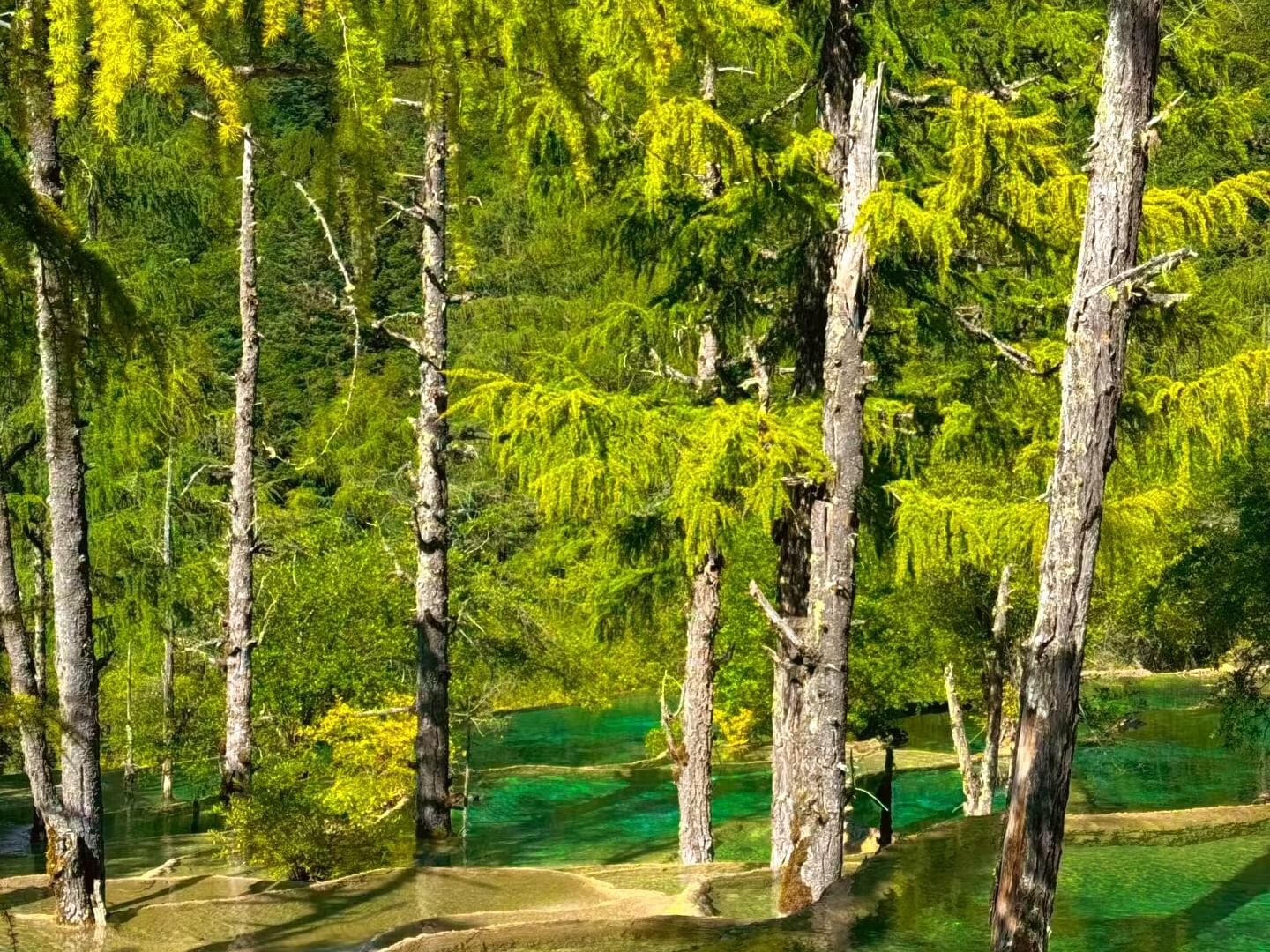
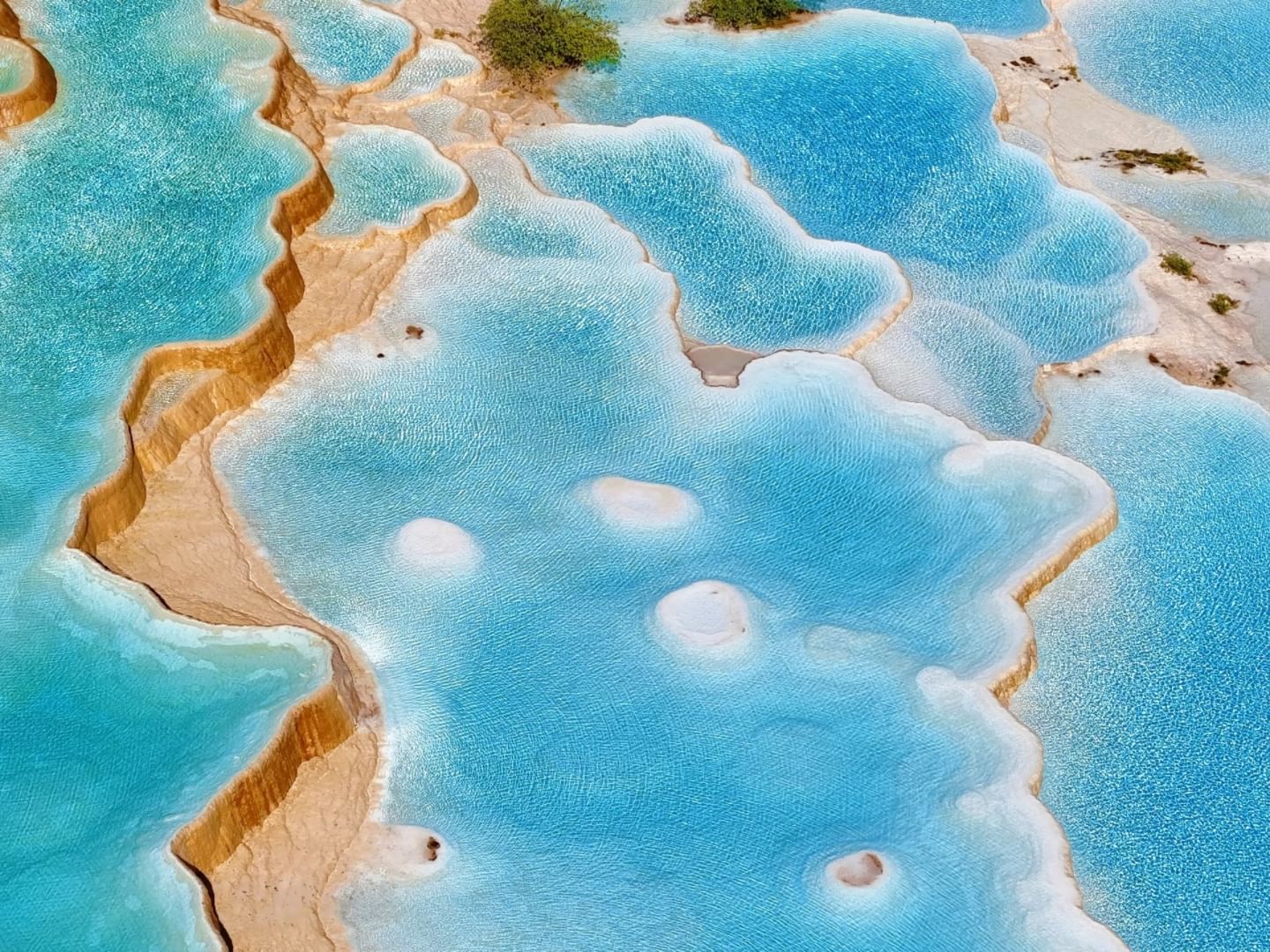
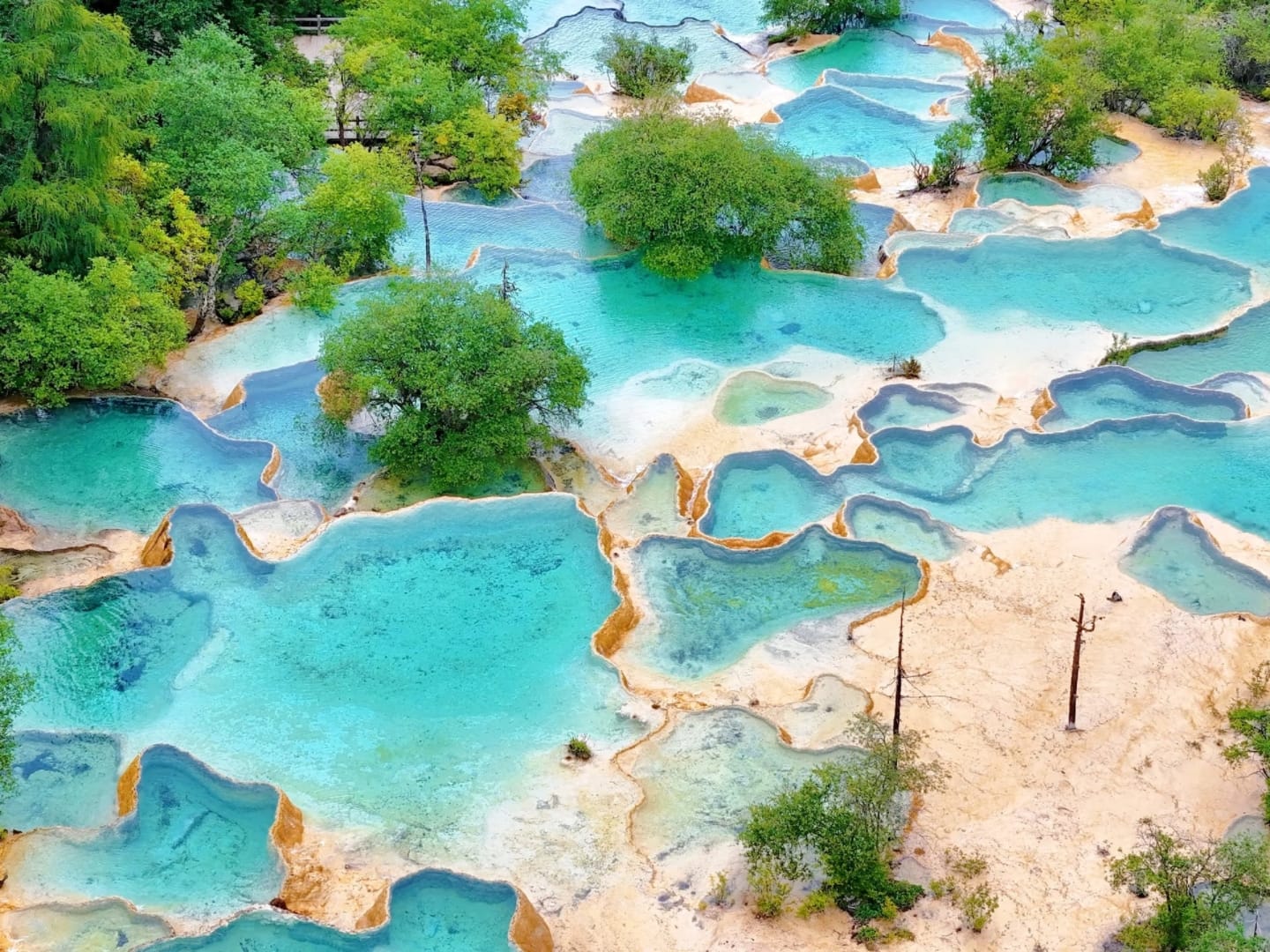
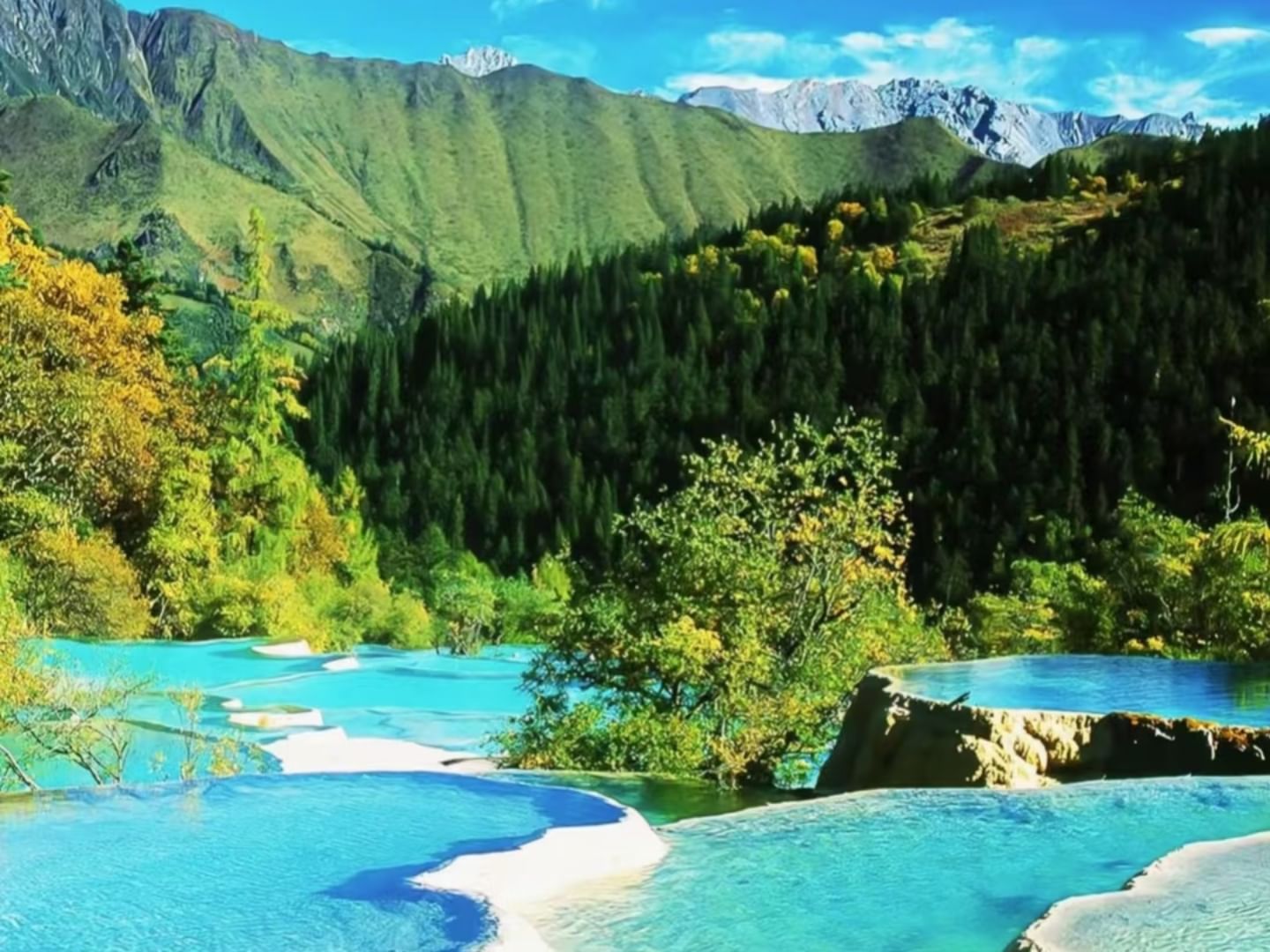
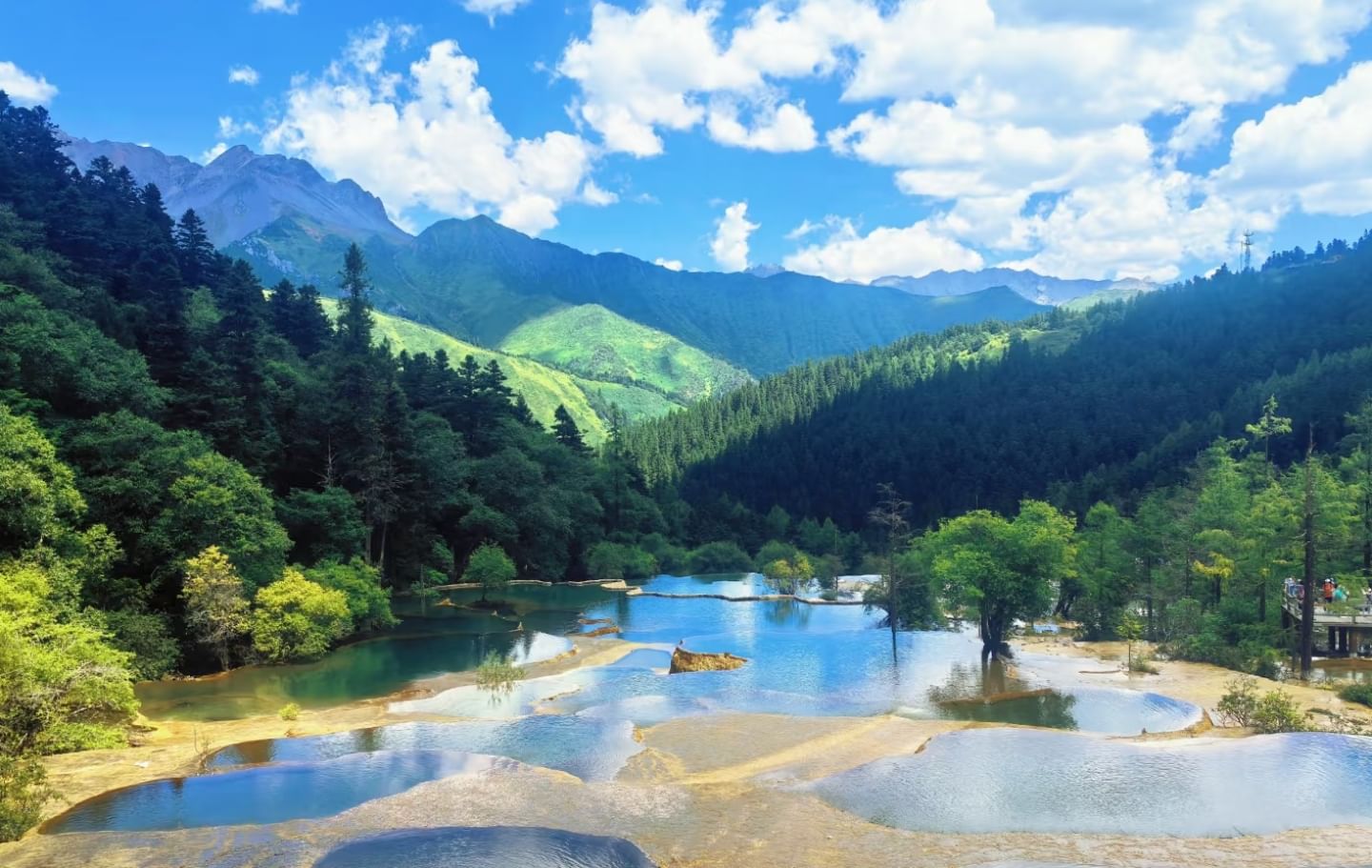
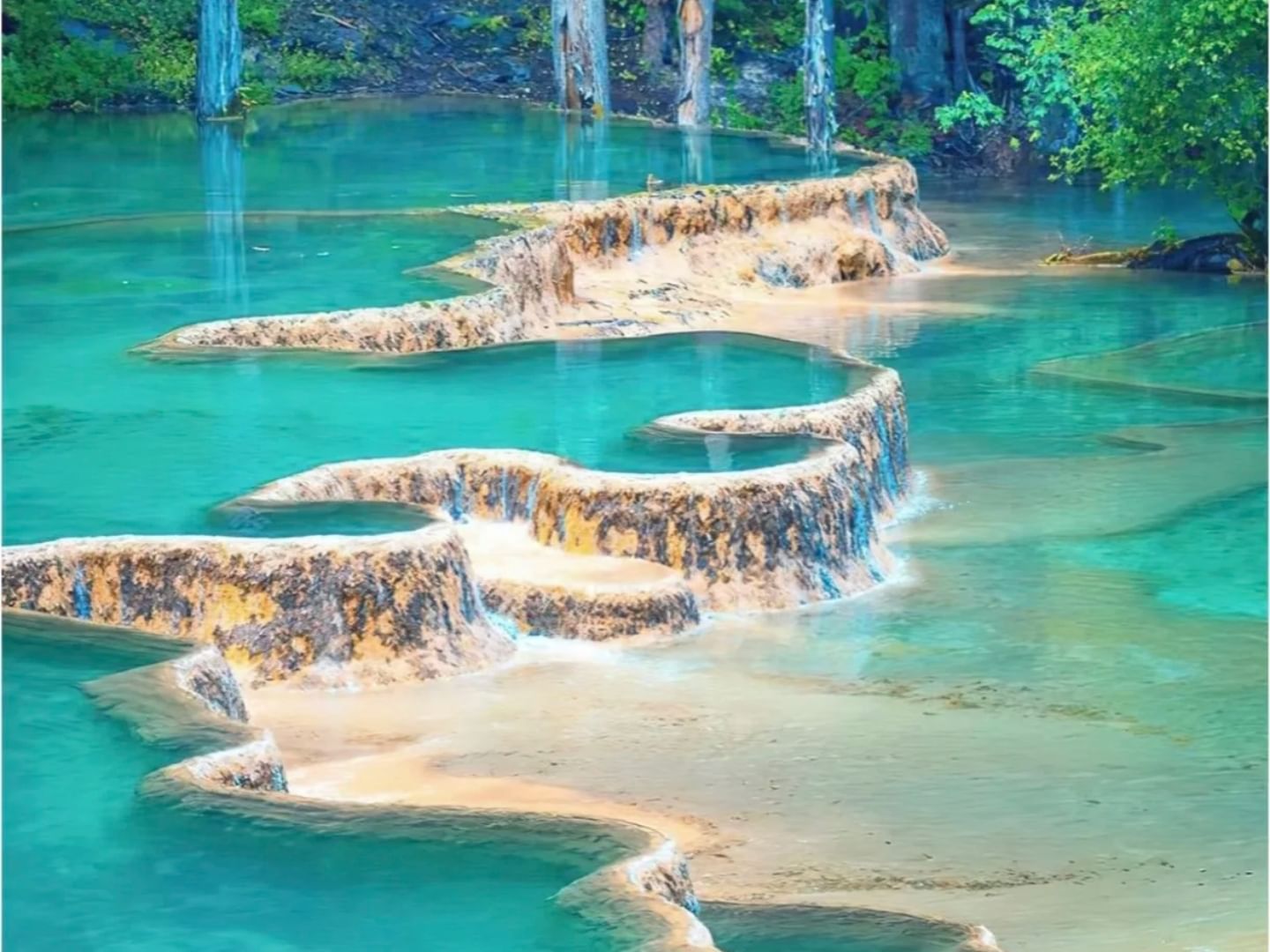
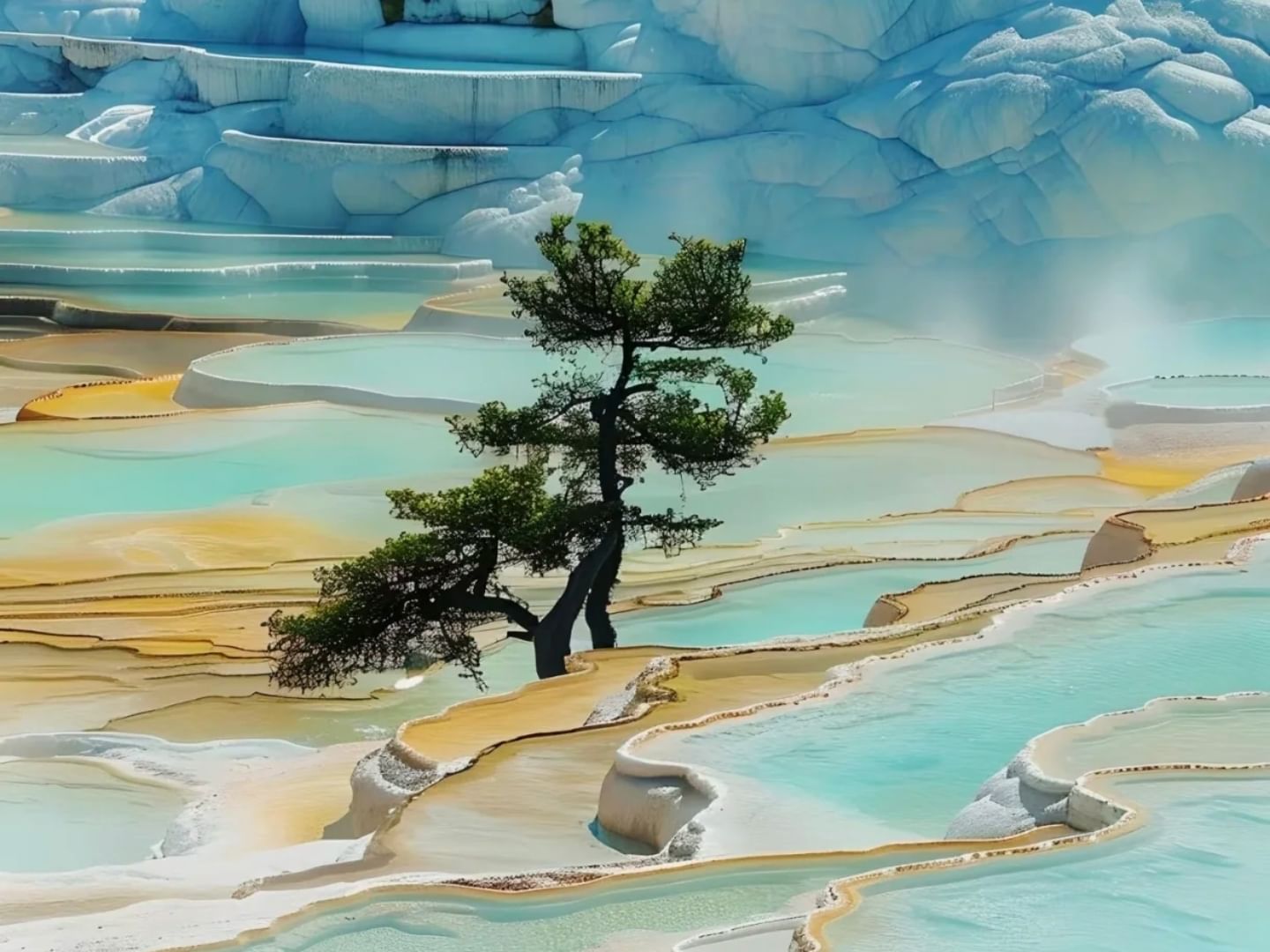
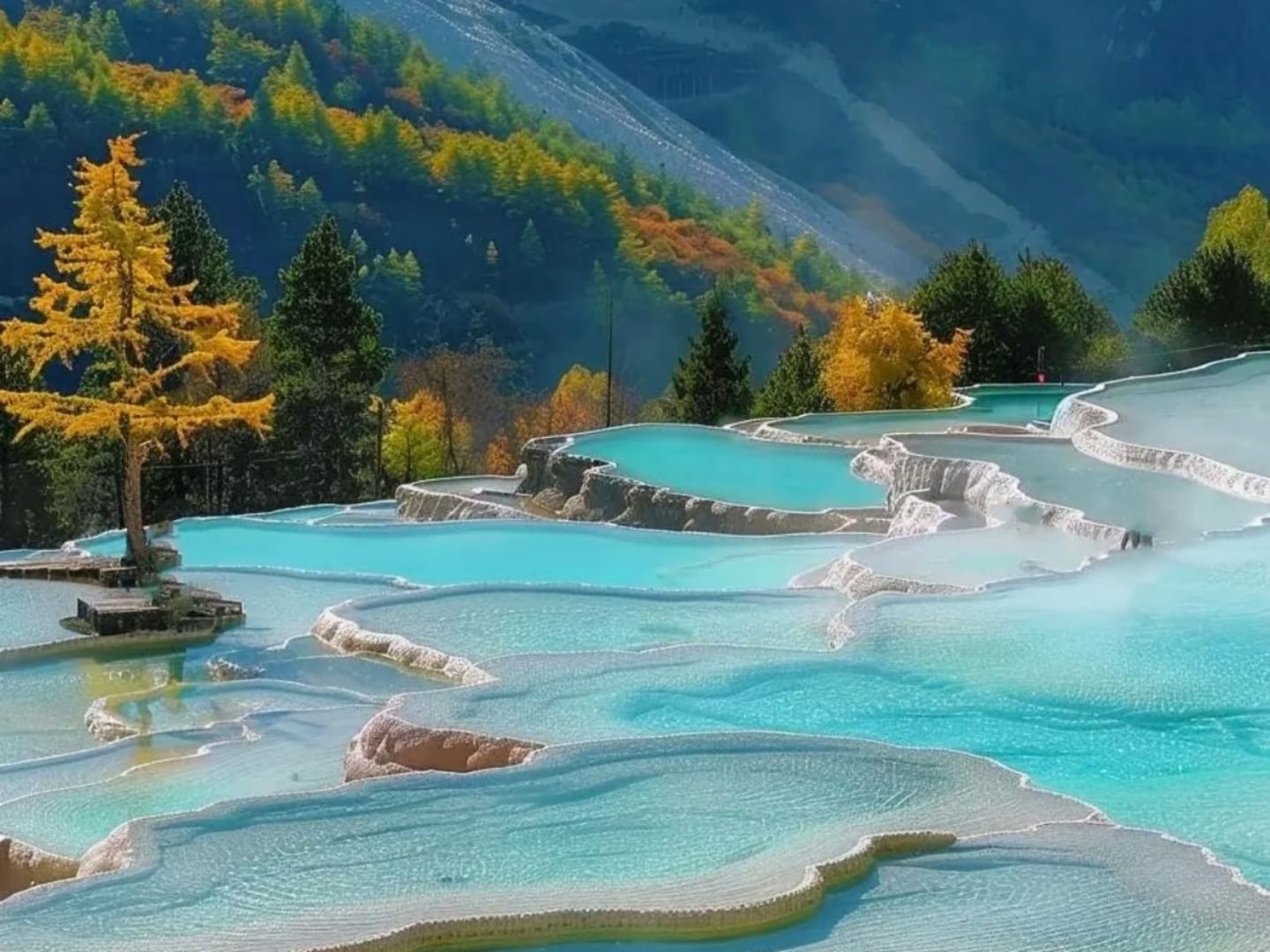
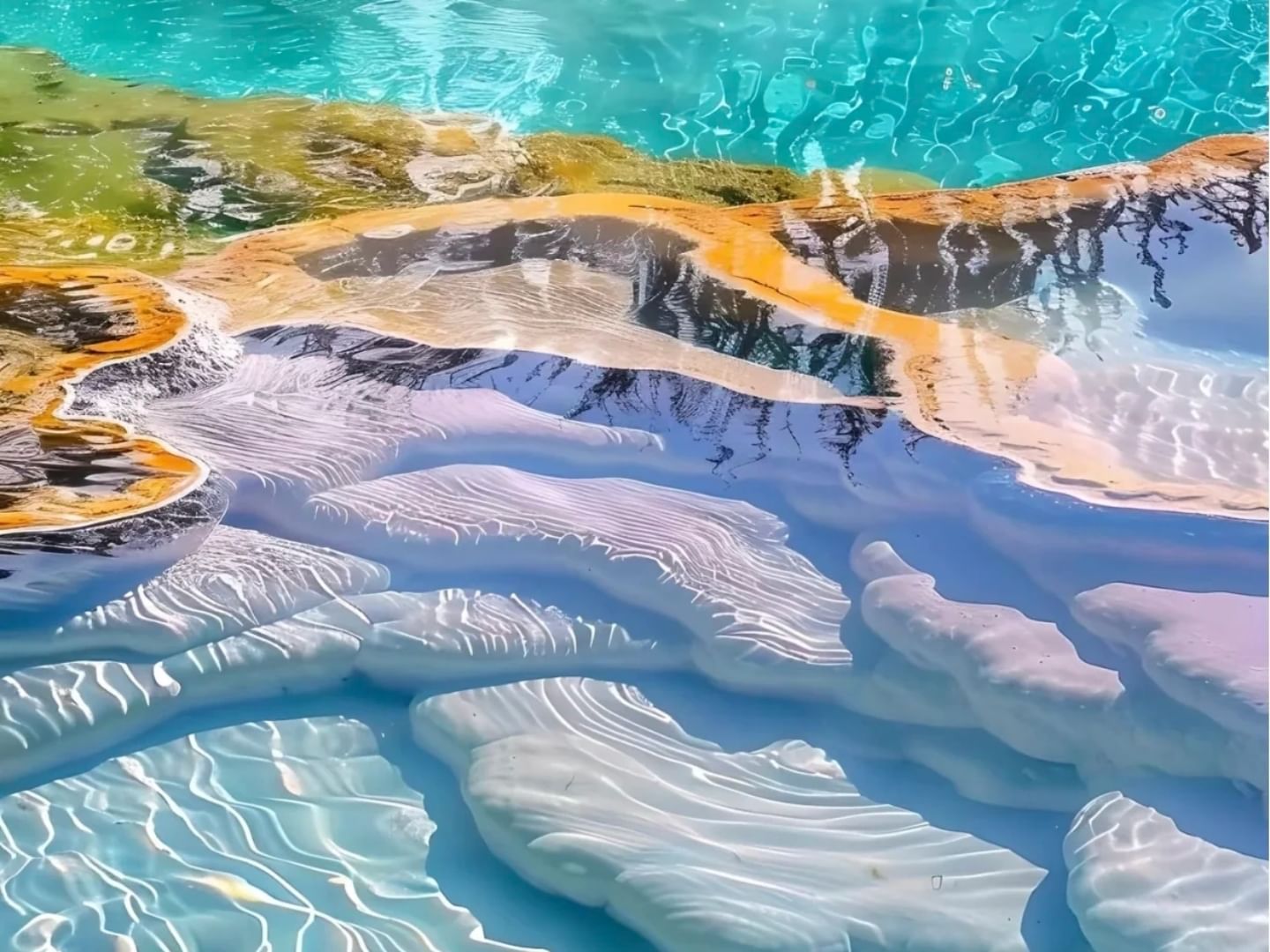
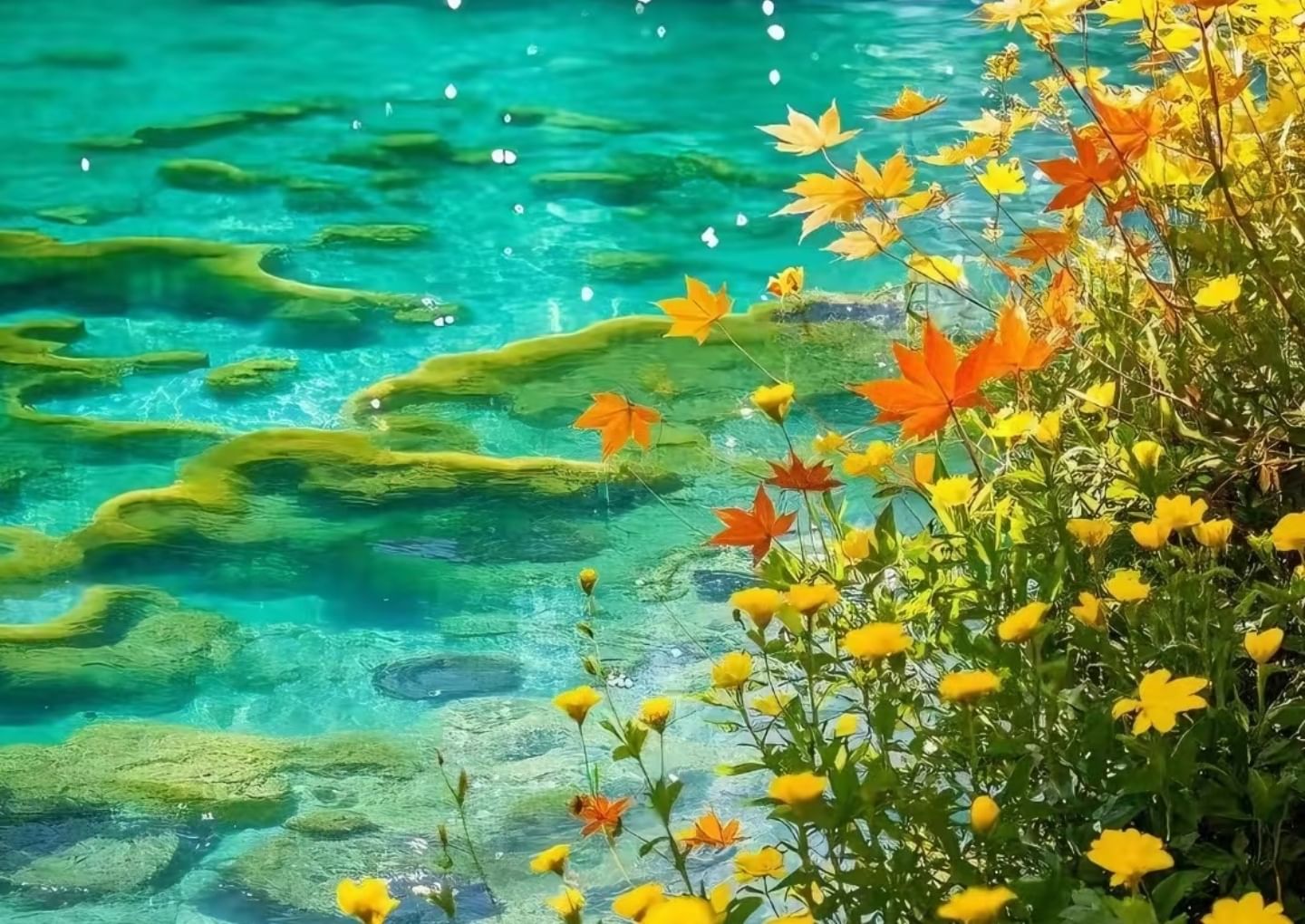
Huanglong Scenic Area is famous for its fantastic and beautiful calcified pools. The water in the numerous calcified pools in the attraction is crystal clear and colorful and very beautiful.


There are also many natural landscapes such as forests, canyons, snow-capped mountains and waterfalls in the Attraction. It is known as the "Fairyland on Earth".


Huanglong Valley is about 7 km long and 1.5km wide on the Xuebao Snow Mountain. Vast yellow travertine landforms exist in the valley which looked like a yellow dragon.


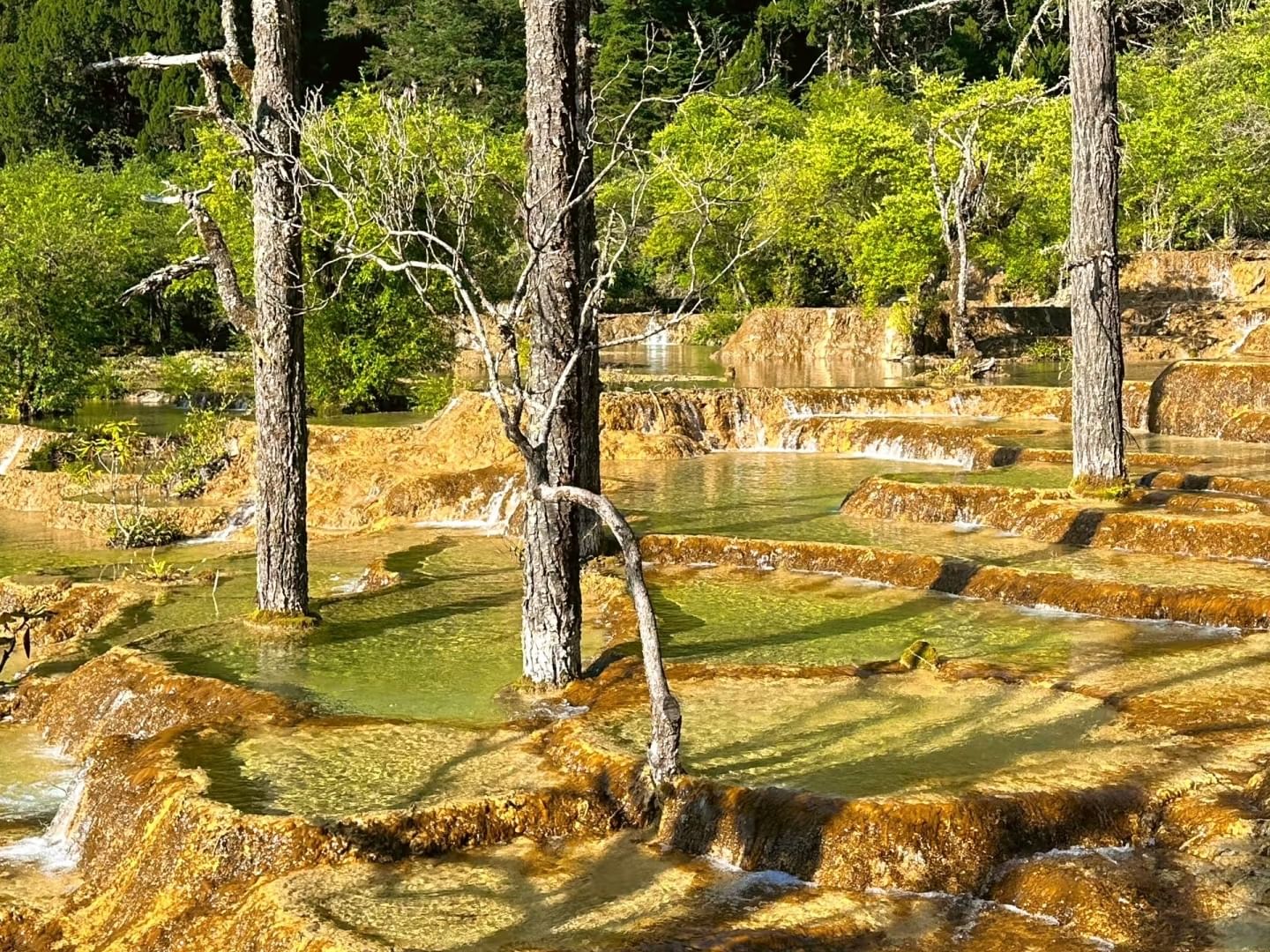
The travertine scenery was created by the thousands years of geological evolution. The best featured landscapes in the valley are the travertine banks, waterfalls, colorful ponds and caves.

Entering Huanglong Valley, tourists will be welcomed by the Yingbing Pool which composed of 350 small bonds with different shapes stacking one after one welcoming the guests.


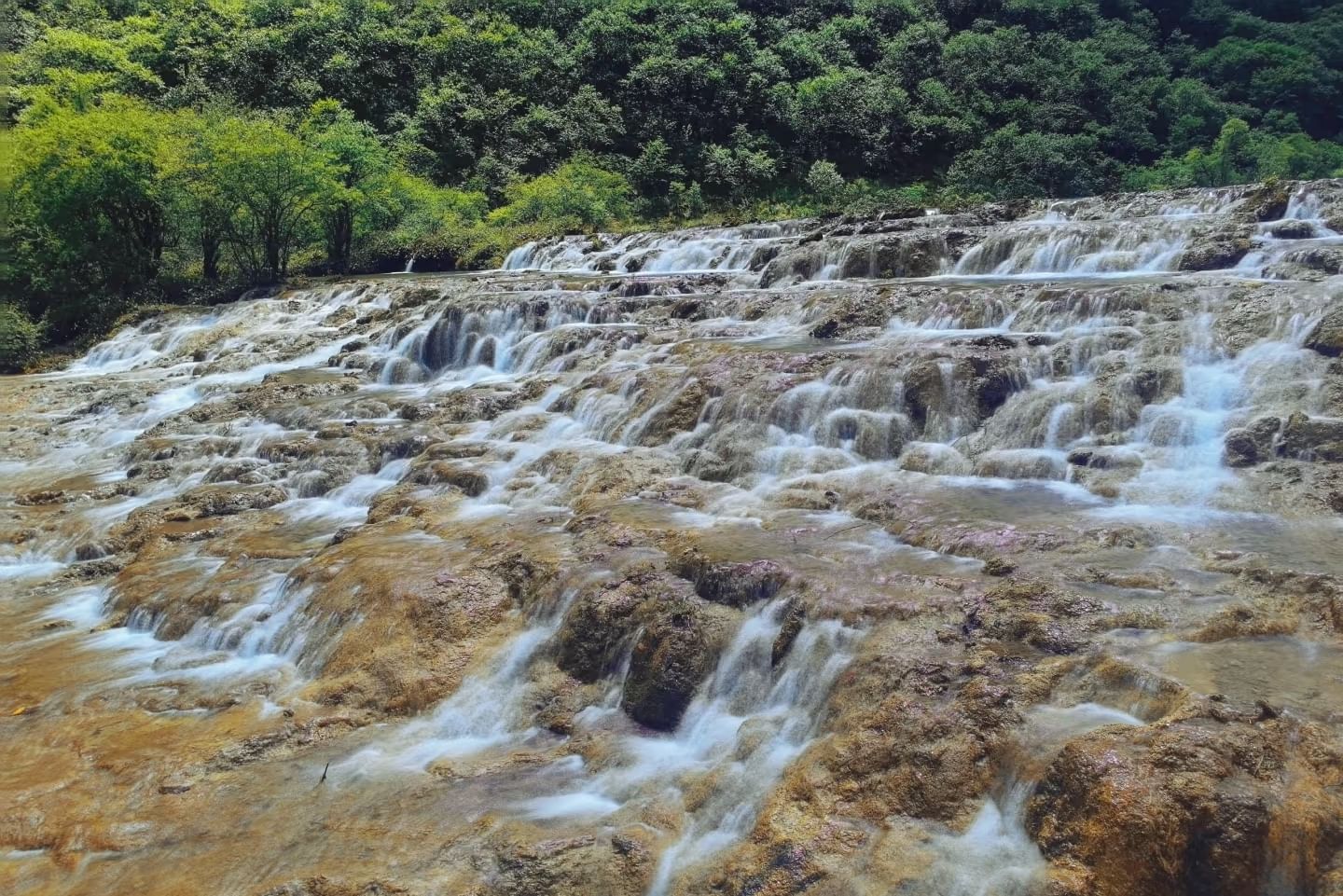
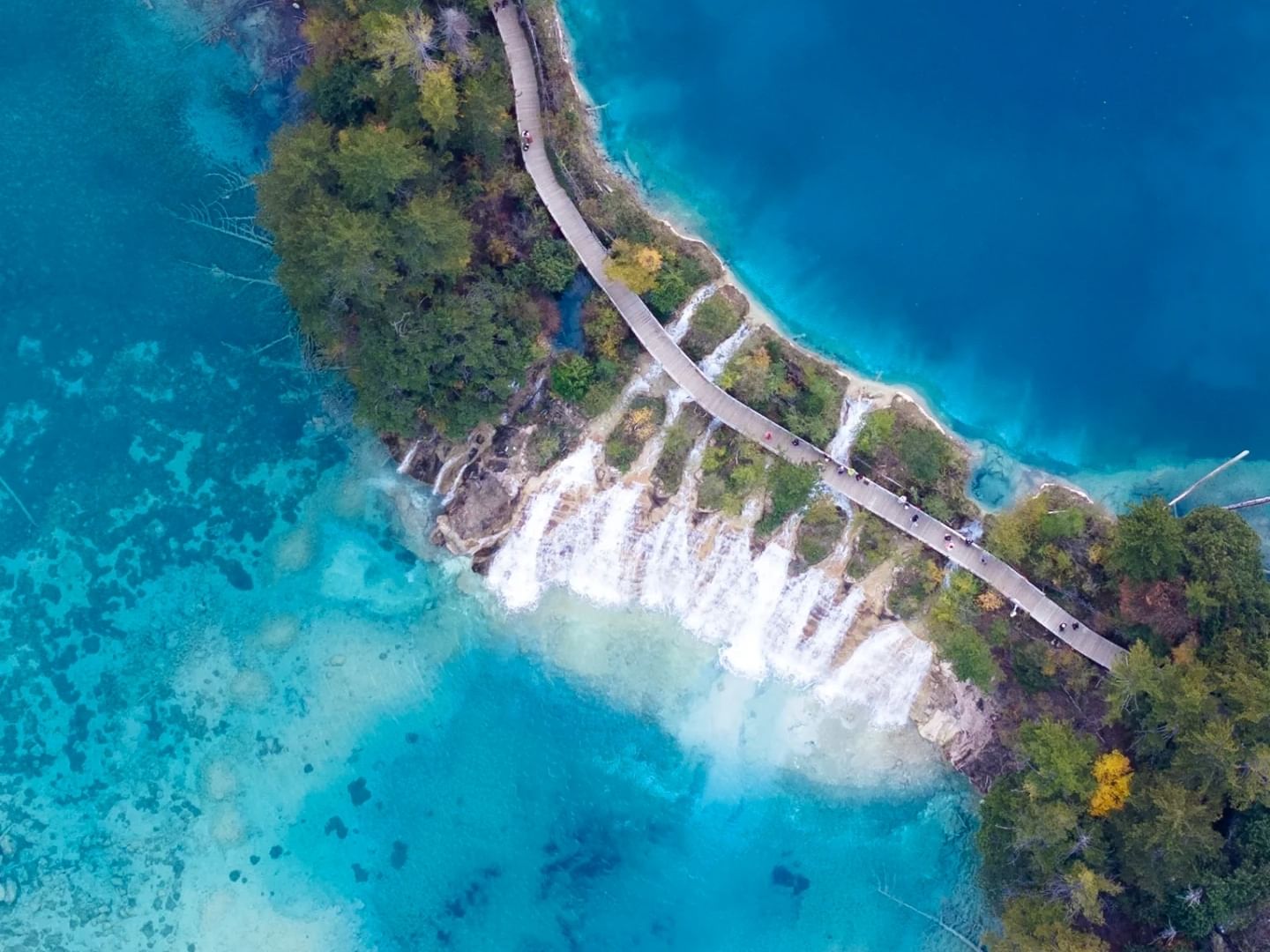
Several minutes walk from the Yingbing Pool, you will get to the Flying Waterfall where hundreds of slices of waterfalls fly out from the forest and drop down the slope forming many ladder waterfalls.


Located at altitude of over 3,250 meters, the Lianyan lake covers more than 2,000 square meters and has water as clean as mirror. This is the only lake in Huanglong Valley.


Lotus Waterfall is 167 meters long and drops on a yellow travertine slope which is shaped like a lotus throne.


Huanglong Valley has a humid and cool climate which is good for the growing of Rhododendron. So tourists can see vast forests of Rhododendron which usually bloom from March to June.

There are many species of Rhododendron in Huanglong Valley.


Jin Sha Pu Di is a travertine slope which is more than 1,300 meters long and around 40~120 meters wide.


This travertine landform is the largest, longest and most functional and colorful of its kind in the world.


Day 2: Jiuzhaigou


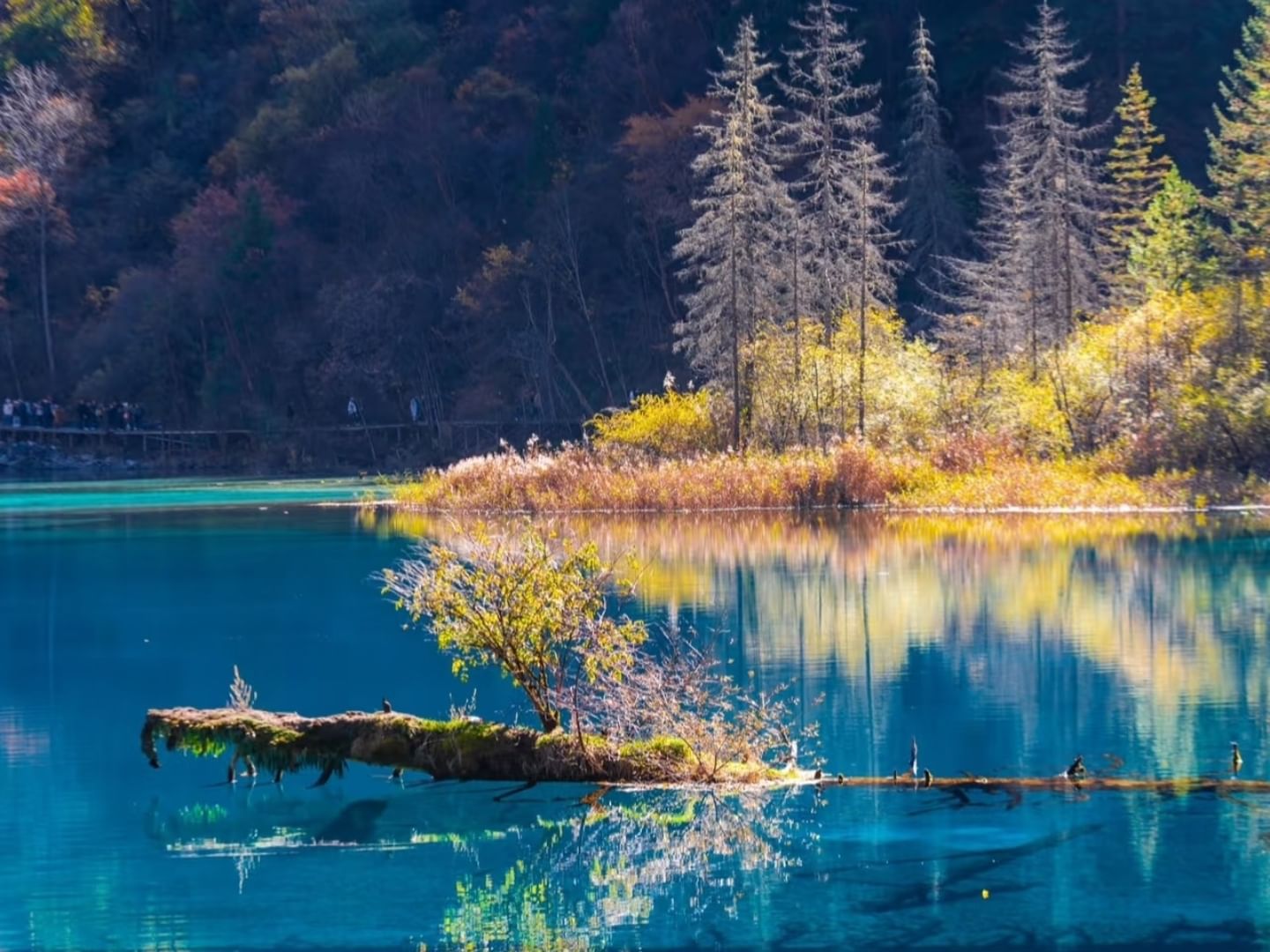
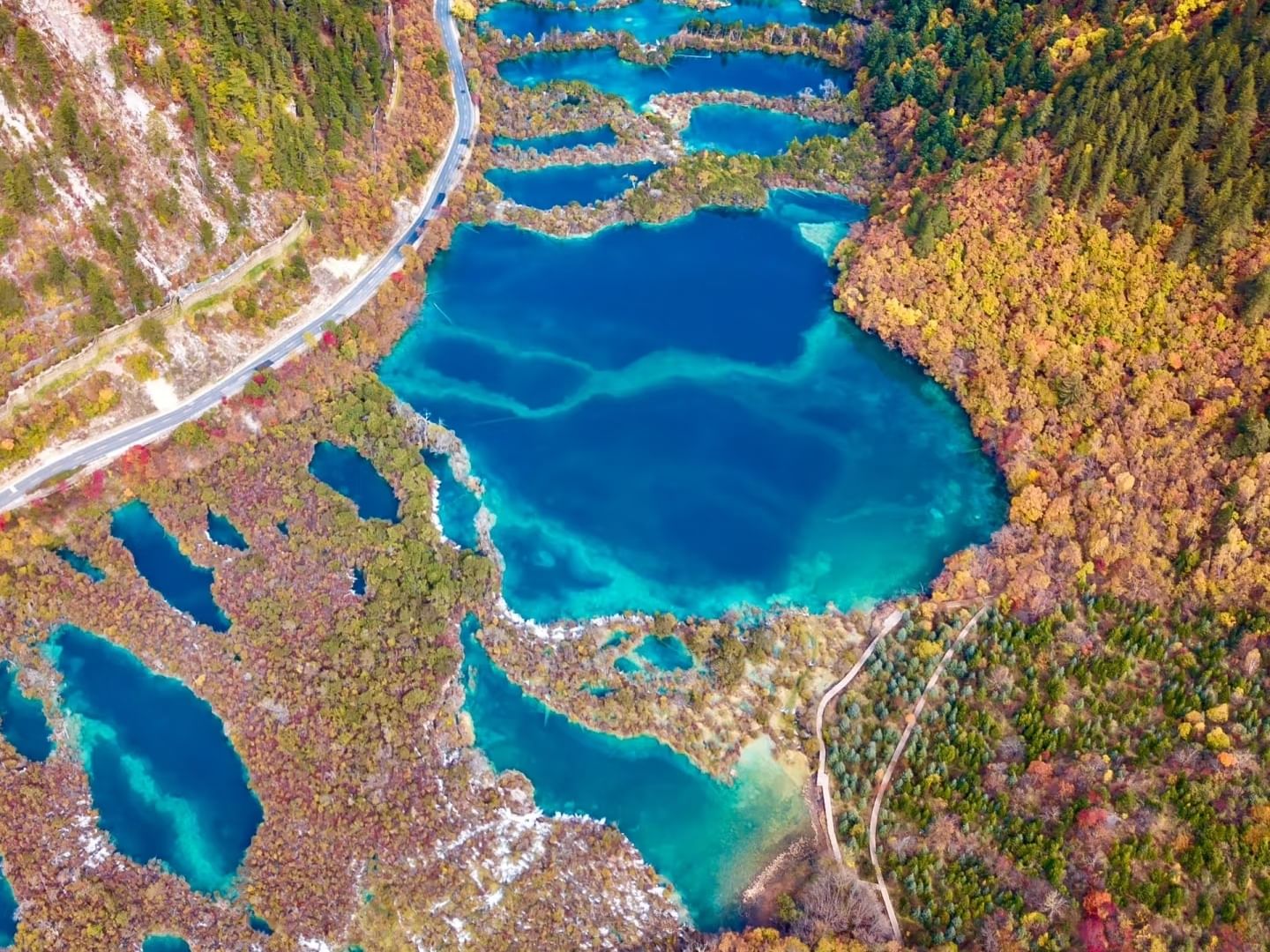
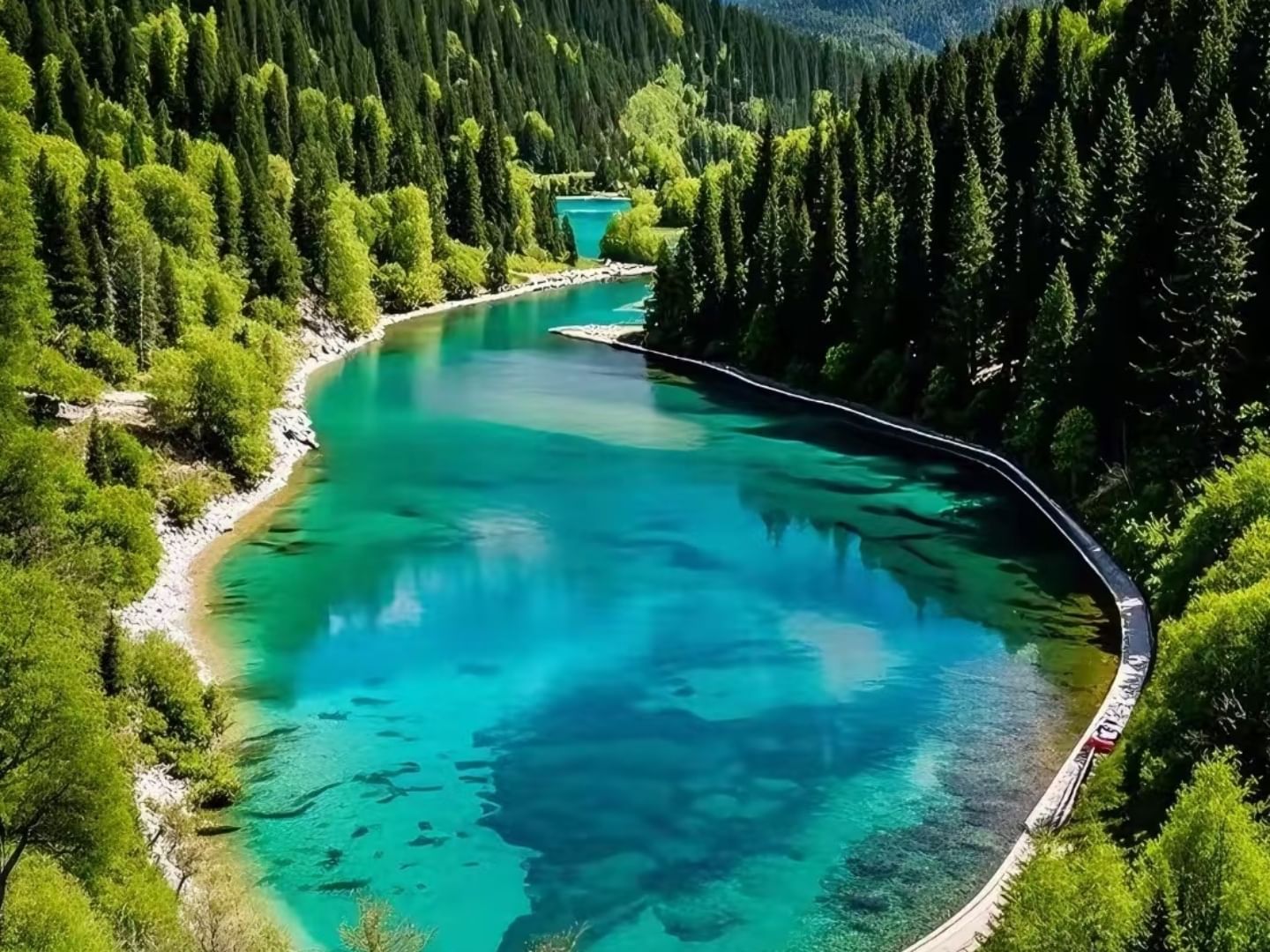
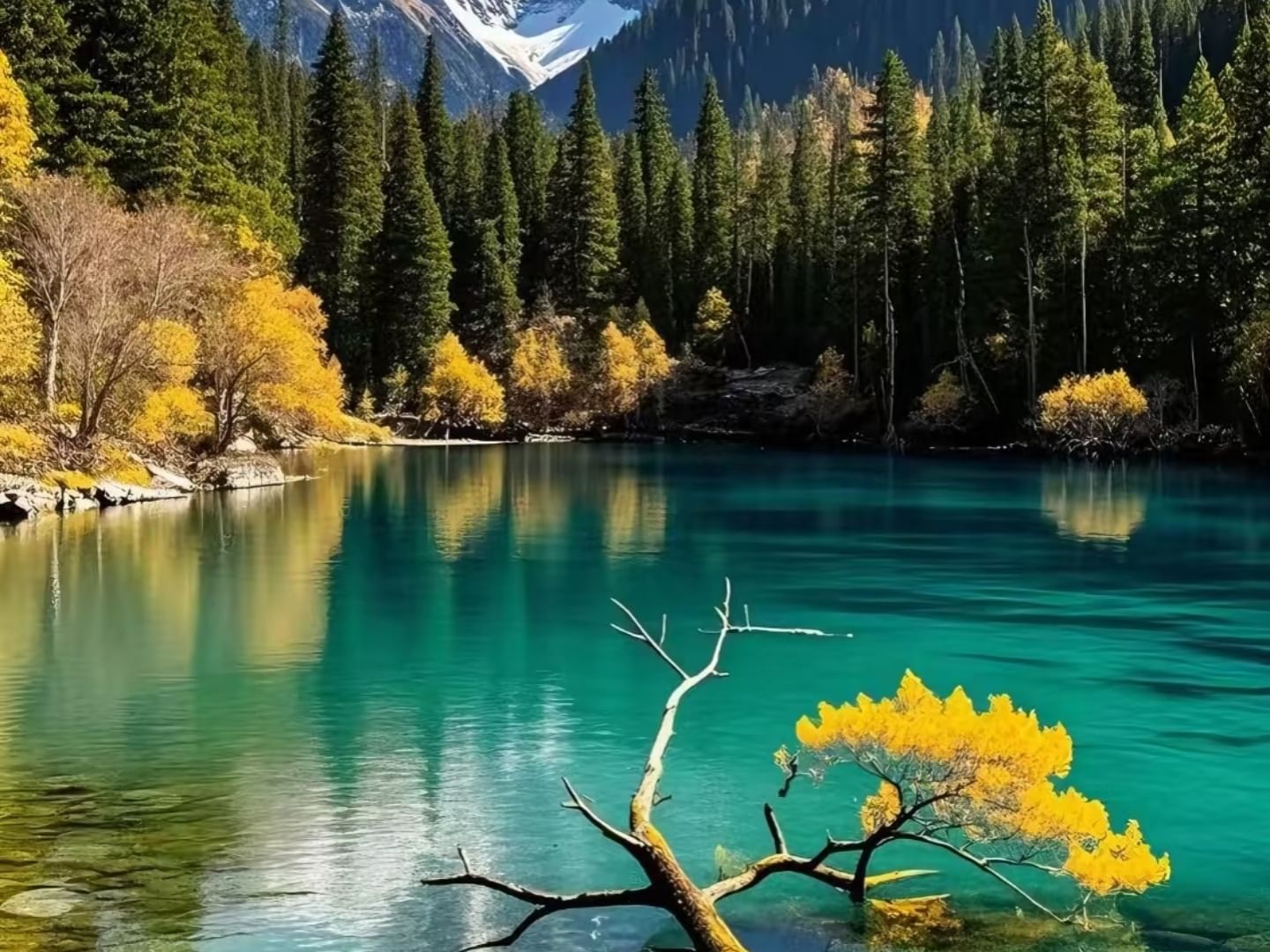
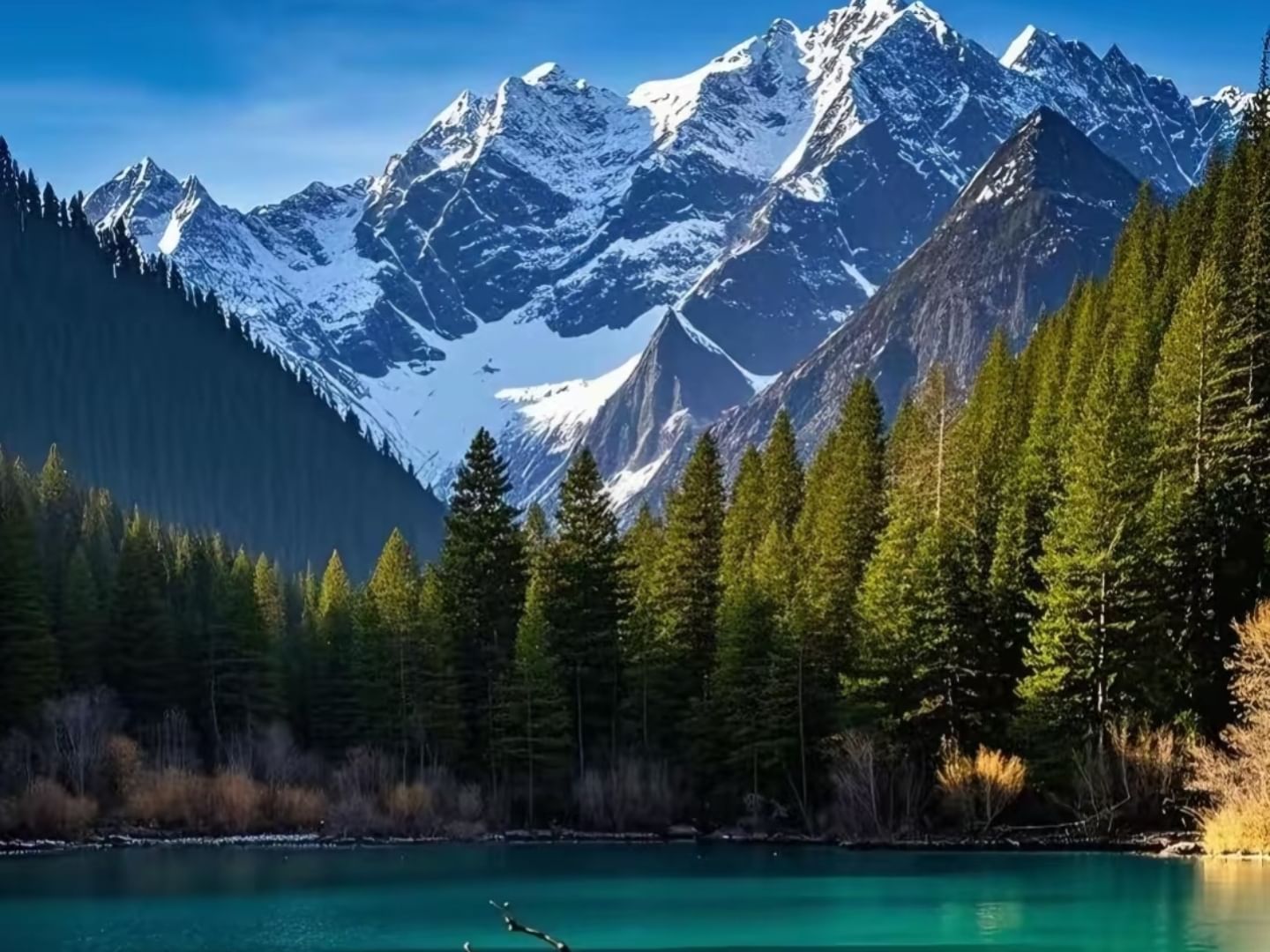
Jiuzhaigou is a nature reserve and national park located in the north of Sichuan Province. Jiuzhaigou was inscribed by UNESCO as a World Heritage Site in 1992. The Jiuzhaigou valley is part of the Min Mountains on the edge of the Tibetan Plateau composed of a series of diverse forest ecosystems. It is known for its many multi-level waterfalls, colorful lakes, and snow-capped peaks. Its elevation ranges from 2,000 to 4,500 metres.


Zechawa Valley has two must-visit attractions - Long Lake and Five-Color Lake.


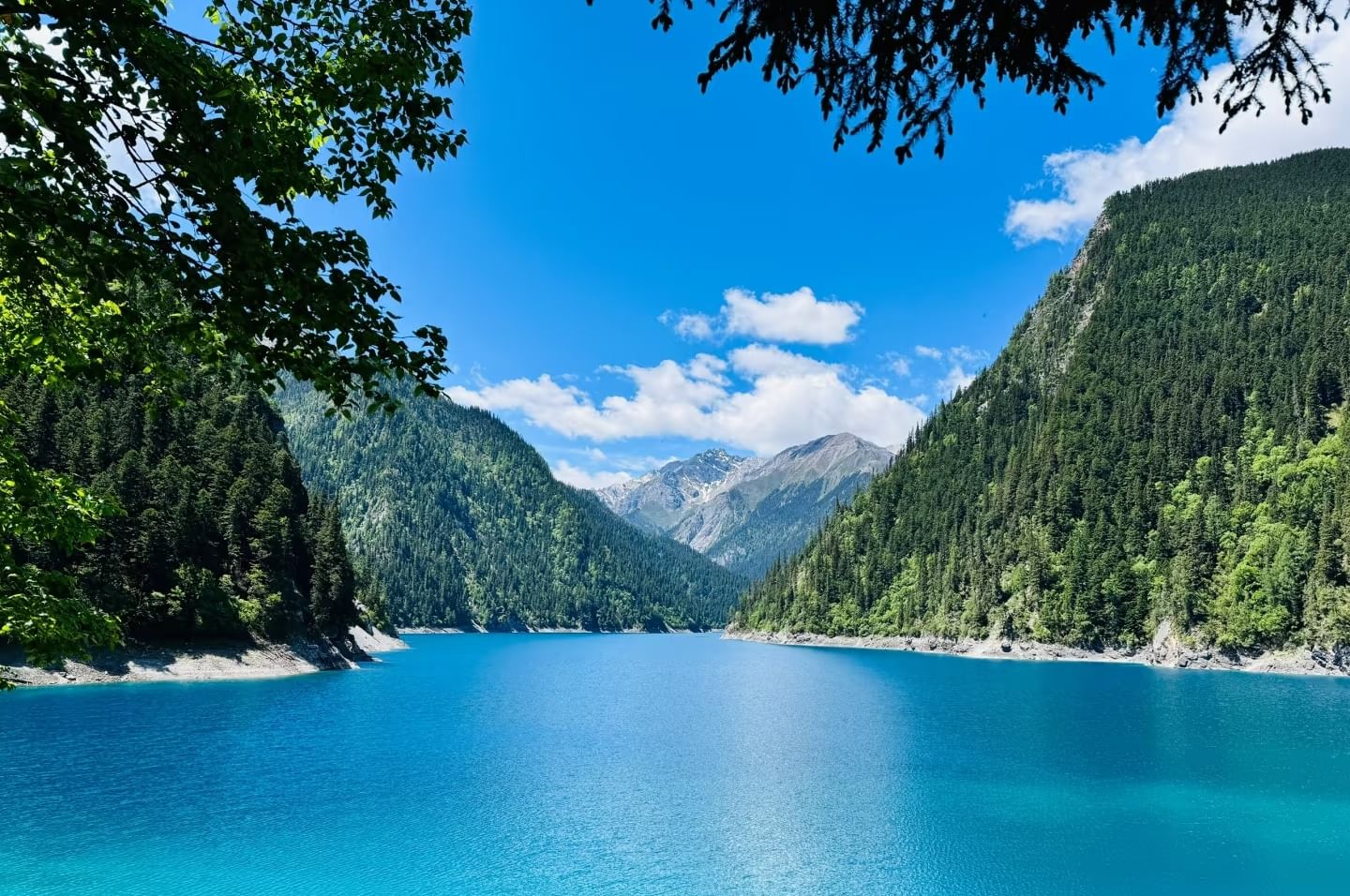
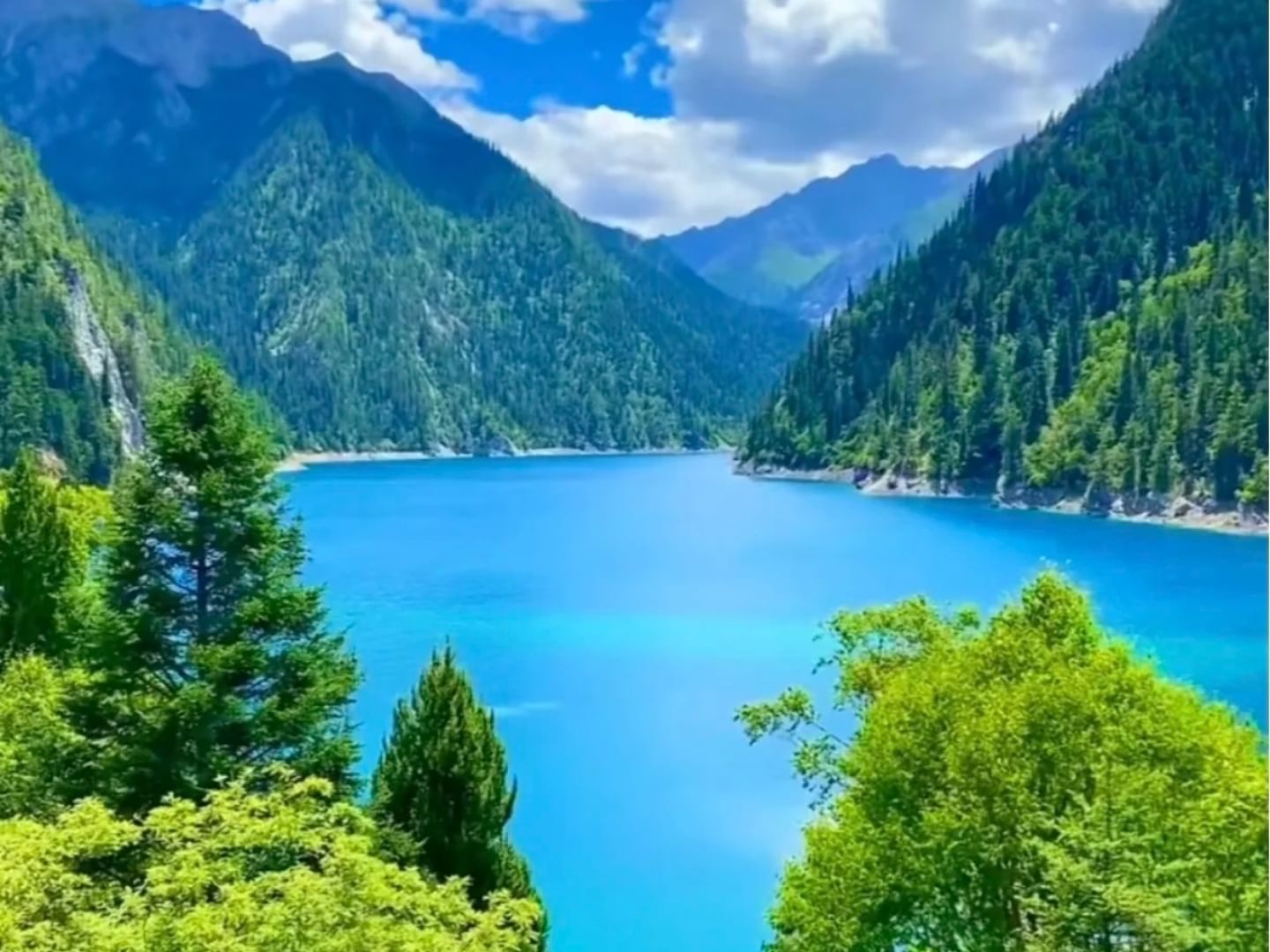
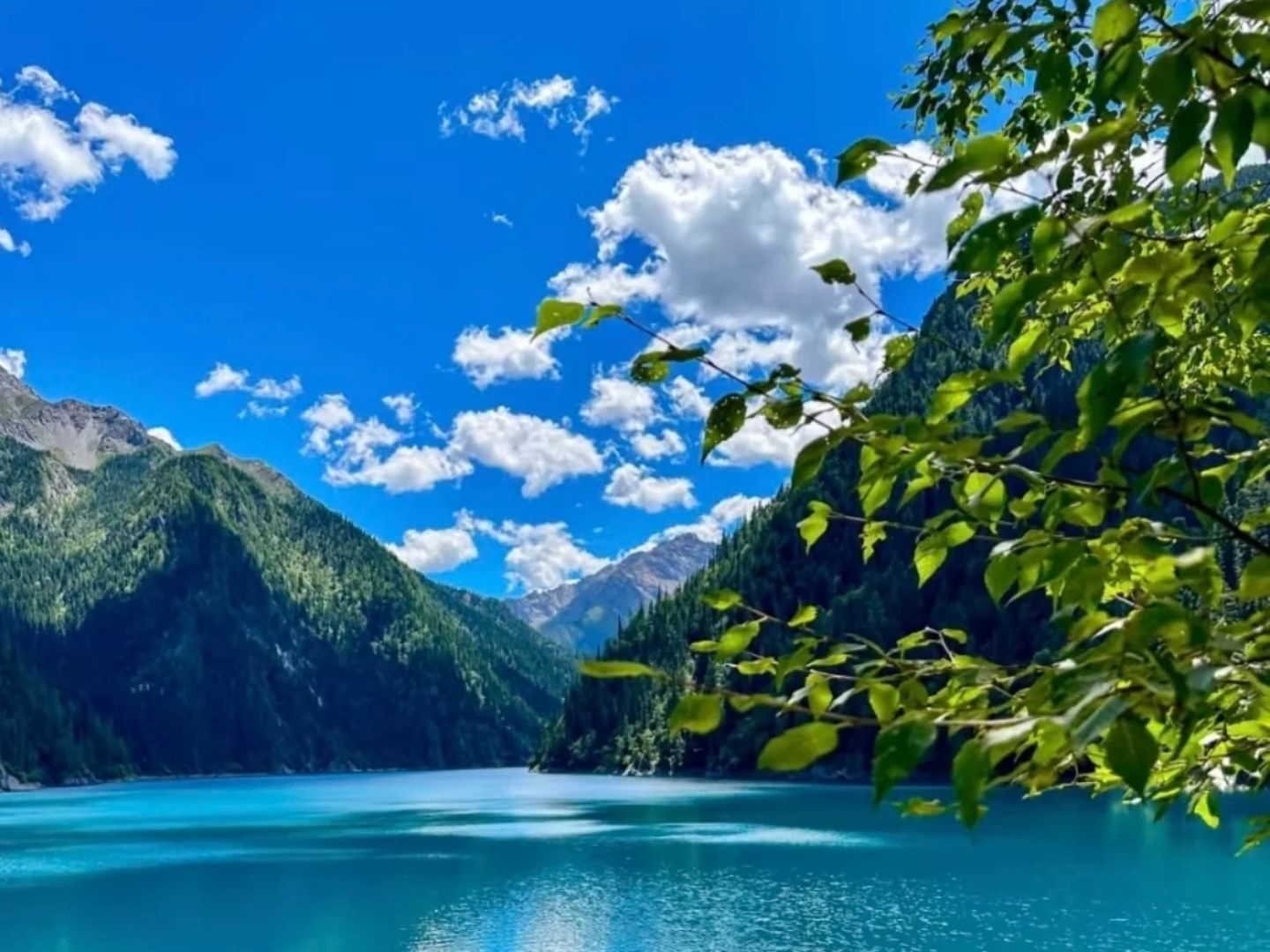
Long Lake is the largest lake in the Valley. Enjoy its magnificent scenery of its crystal-clear lake stretching towards the distant snowy mountains and feel the tranquility of the plateau lake.


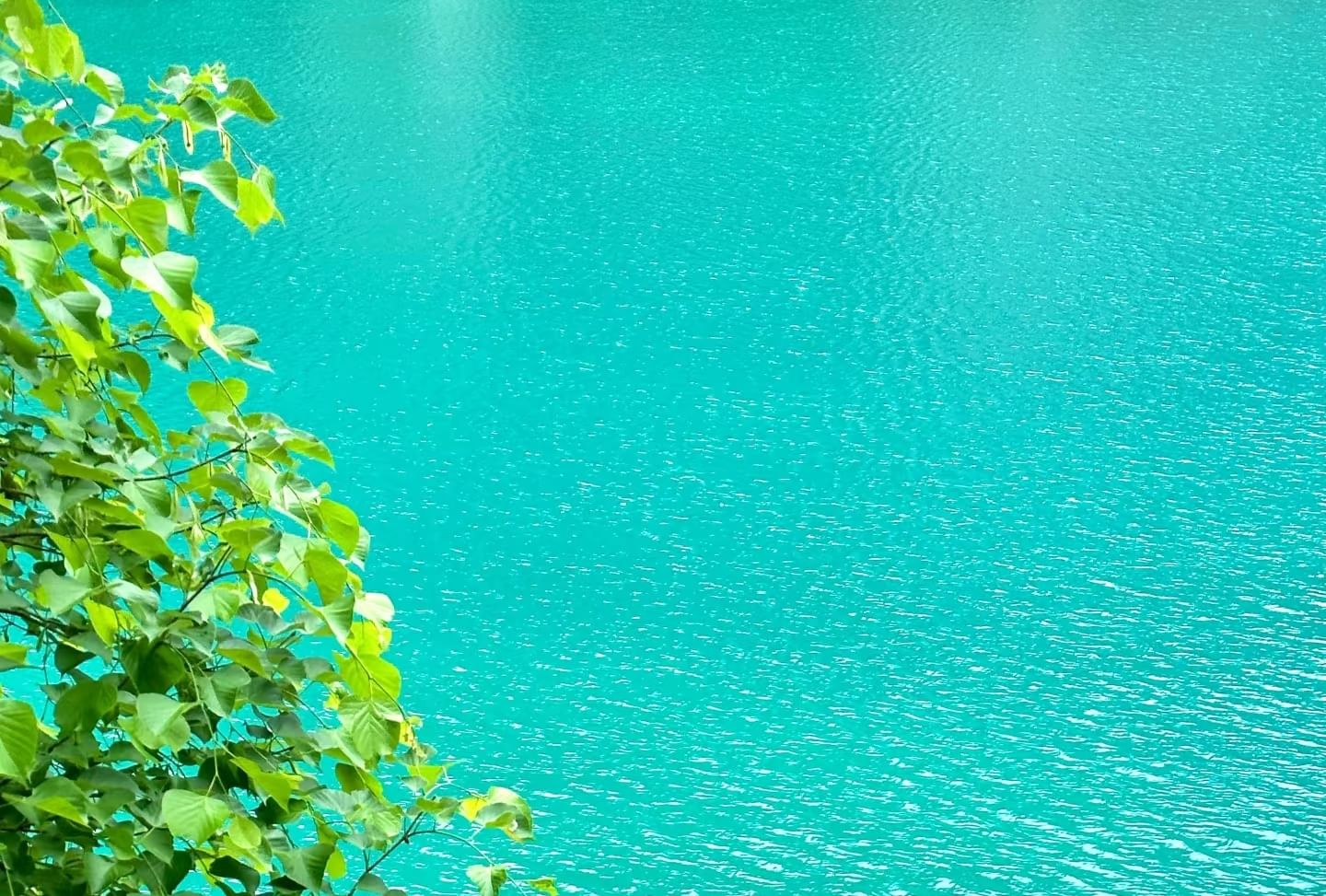
Five-Color Lake is the smallest of the lakes but one of the most colorful and beautiful lakes.


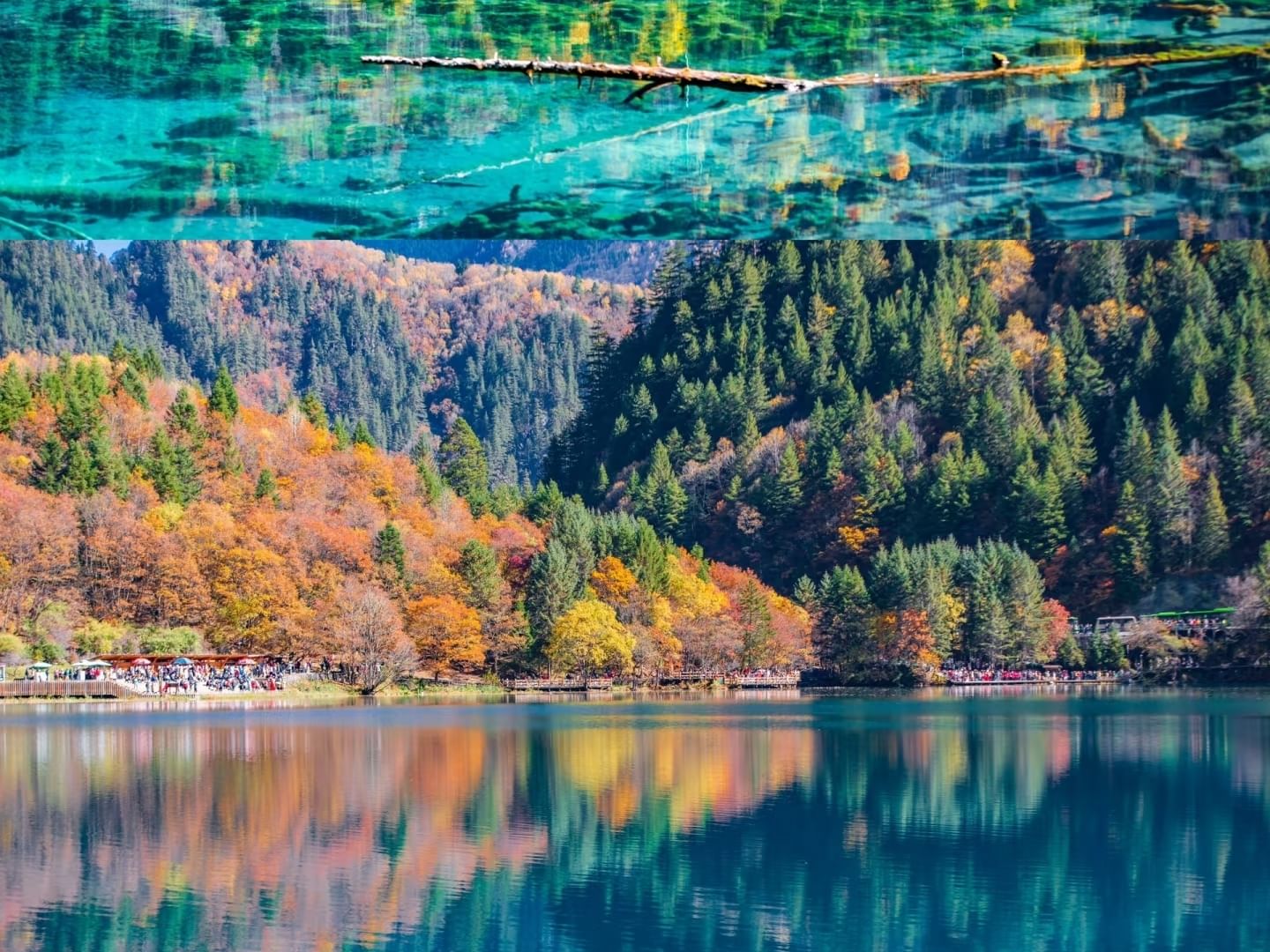
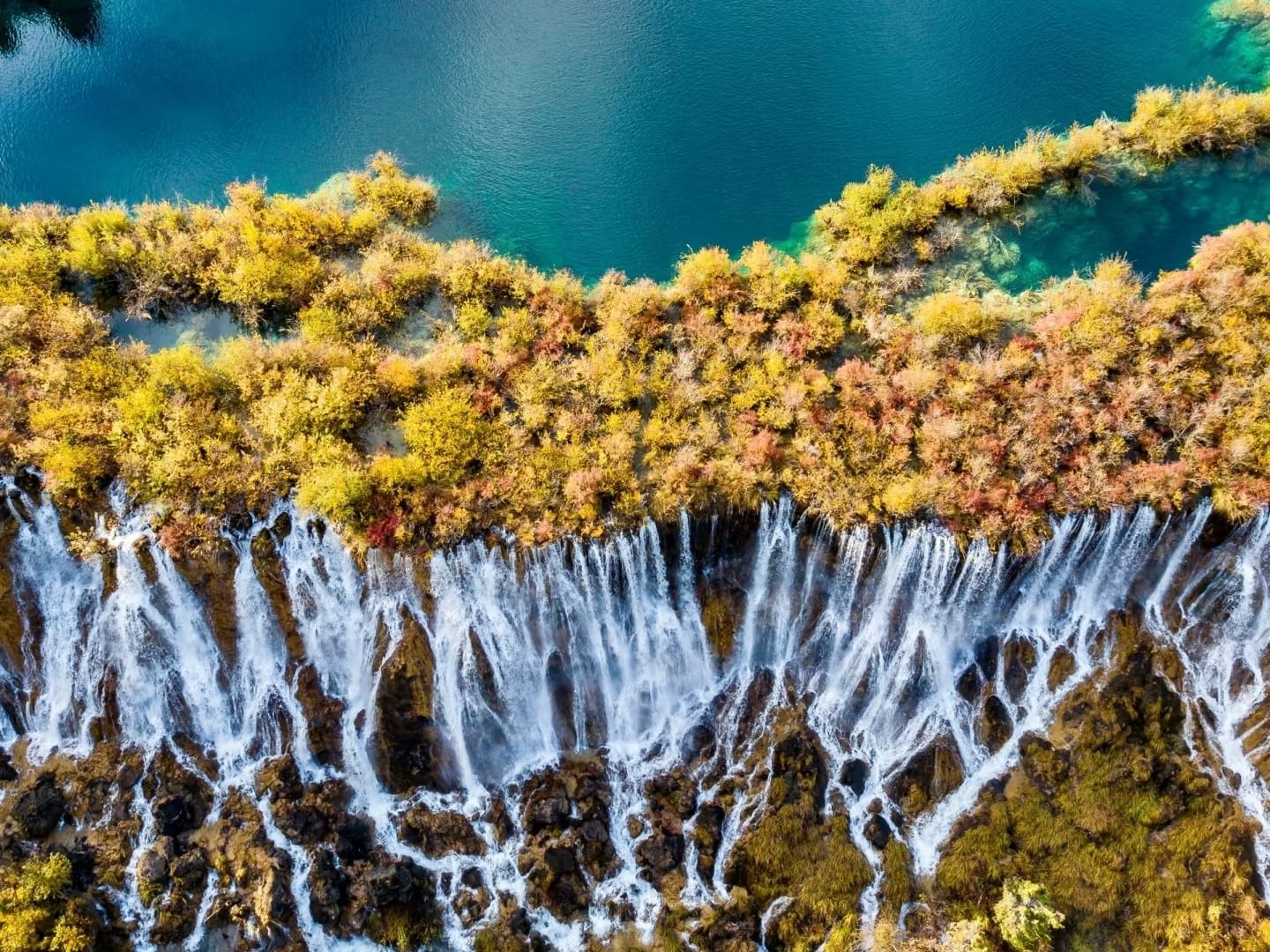
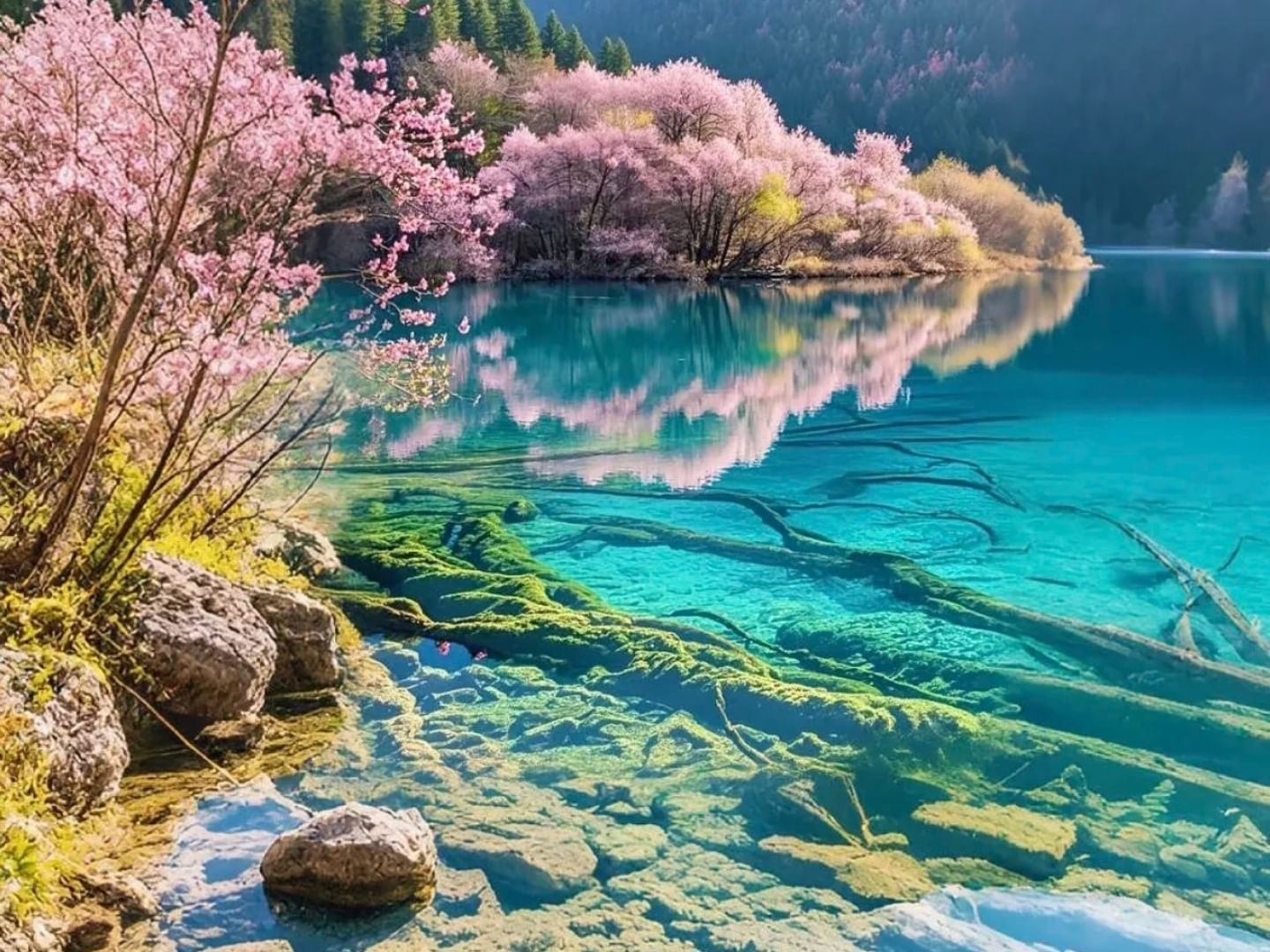
Visit Rize Valley which is the most beautiful and diverse part of Jiuzhaigou scenery. Its highlights include Jianzhu Lake, Pearl Shoal Lake and Five Flower Lake. The Jianzhu Lake is blue and surrounded by bamboo trees. The Five Flower Lake is colorful like a natural oil painting which is one of the main highlights of Jiuzhaigou scenic spots. Go to Pearl Shoal Lake and the Pearl Shoal Waterfalls. Pearl Shoal Lake is covered with pale yellow moss, clear lake water and when the sun shines, the water is like pearls. The Pearl Shoal Waterfall is the setting of Journey to the West.


Next, go to Shuzheng Valley and visit the Rhino Lake, Tiger Lake and Shuzheng Waterfalls. The waterfall is connected with the Lakes with beautiful scenery where you feel the unique water world of Jiuzhaigou.

What's included?

    Private Guide 

    Private Transfer from Huanglong Jiuzhai Station

    Customized Itinerary

    Exclusions

      Admission Fees

      Tips and Gratuities

      Meals and Beverages

      Hotel Accommodation

      Train Tickets to Huanglong Jiuzhai Station

      Personal Expenses

      Please note

        TOUR OVERVIEW

        This 2-Day private tour brings you to Huanglong Valley, known for its colourful calcite pools, and Jiuzhaigou Scenic Area, famous for crystal-clear water, layered waterfalls. With a customized itineraries, private transfers, and the option to include a guide,  travellers can explore these UNESCO World-Heritage sites in comfort and at their own pace. 

        BEST TIME TO VISIT

        • Spring (Apr-Jun) - lakes are clear and the valleys lush, with fewer crowds.
        • Summer (Jul-Aug) - green landscapes and peak travel season; expect larger crowds.
        • Autumn (Sep-Nov) - fiery golden forests and crisp skies - the most photogenic time.
        • Winter (Dec-Feb) - quiet and snowy; Jiuzhaigou is open, but Huanglong may be closed due to heavy snow.
        • Best Season - mid September to late October for breath taking autumn colors.

        PHYSICAL REQUIREMENTS & ACCESSIBILITY

        • Jiuzhaigou Scenic Area:
          • Eco-buses connect major viewpoints; expect moderate walking.
          • Boardwalks are sturdy but can be uneven.
          • Not fully wheelchair accessible.
        • Huanglong Valley:
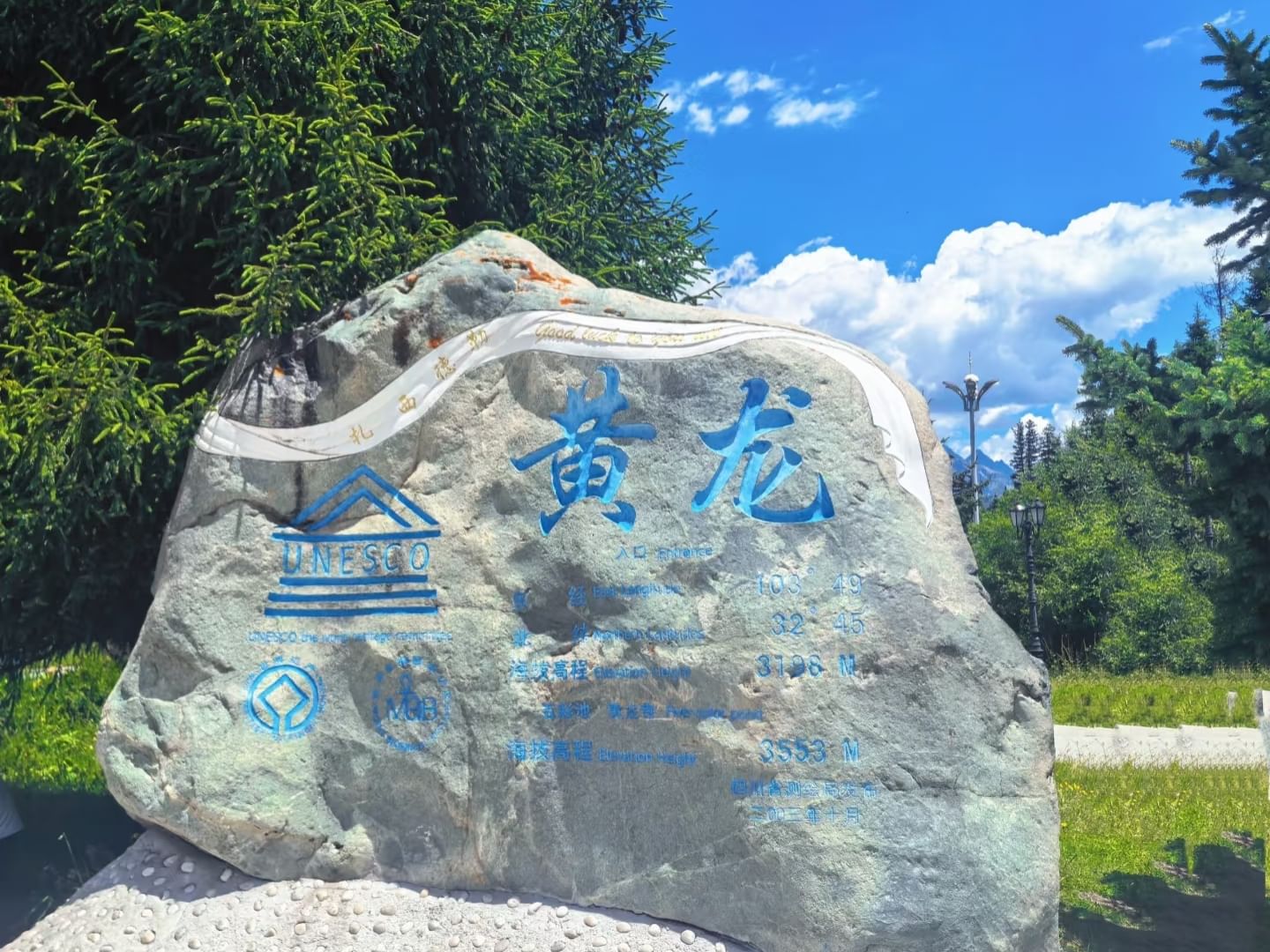
          • Higher altitude (3,100-3,600m).
          • Involves long walks and uphill wooden paths.
          • Cable cars reduce some of the climb, but walking is still required.

        HEALTH & SAFETY CONSIDERATIONS

        • Altitude:
          • Jiuzhaigou - 2,000 - 3,000m.
          • Huanglong Valley - 3,100 - 3,600m.
          • Mild altitude sickness (fatigue, headache, shortness of breath) is possible.
        • Restrictions:
          • Not recommended for travellers with serious heart, lung, or blood pressure conditions.
          • Pregnant travellers and those with limited mobility may find Huanglong too demanding.

        LOCAL TRADITIONS & ETIQUETTE

        • Both sites are in Tibetan and Qiang cultural areas.
        • Respect local customs:
          • Don't touch prayer flags, mani stones, or shrines.
          • Ask before photographing locals in traditional clothing.
          • Support community businesses by buying snacks or crafts locally.

        PRIVATE TOUR BENEFITS

        • Private Transfers: no waiting for groups, flexible stops, and a smooth ride directly from the station.
        • Customized Itinerary: focus on sightseeing, light walks, or longer hikes -the pace is entirely yours.
        • Guide Options: choose a local guide for deeper cultural and natural insights, or explore independently.
        • Comfort & Flexibility: avoid rigid schedules and crowded buses, giving you more time to enjoy the scenery.

        TRAVEL TIPS

        • Start Early: both parks are large; arriving early means quieter trails.
        • Eco-Bus Hack: hop off one stop before the main sights to enjoy peaceful boardwalk walks.
        • Stay Local Overnight: it helps with acclimatization and avoids rushed sightseeing.
        • Carry Cash: many small vendors don't take cards.
        • Pack Smart: layers, sturdy shoes, sun protection, and snacks are essentials.
        What to bring

          CLOTHING & COMFORT

          • Layered Clothing - temperatures shifts quickly between valleys and higher altitudes.
          • Comfortable Walking Shoes - sturdy with good grip for boardwalks and slopes.
          • Light Rain Jacket/Poncho - sudden mountain showers are common.
          • Buff or Scarf - doubles as warmth, sun cover, or dust mask.
          • Hat and Sunglasses - sun can be intense at altitude.

          HEALTH & SAFETY

          • First Aid
            • Personal medication, including altitude sickness pills, if prescribed.
            • Small first-aid kit with bandages and pain relief tablets.
            • Bring motion sickness pills or portable oxygen if you're sensitive.
          • Reusable Water Bottle- stay hydrated at higher altitudes.
          • High-SPF Sunscreen & Lip Balm- sun is stronger in the mountains.
          • Hand Sanitizer & Wet Wipes- bathrooms can be basic.

          TRAVEL TIPS

          • Leave bulky luggage at your hotel, just carry a small daypack.
          • Sip water often instead of gulping - helps with acclimatization.
          • Even in summer, a thin down jacket or fleece comes in handy for evenings.
          • Bring light snacks like nuts, energy bars, or dried fruit, help keep energy up between bus stops.